
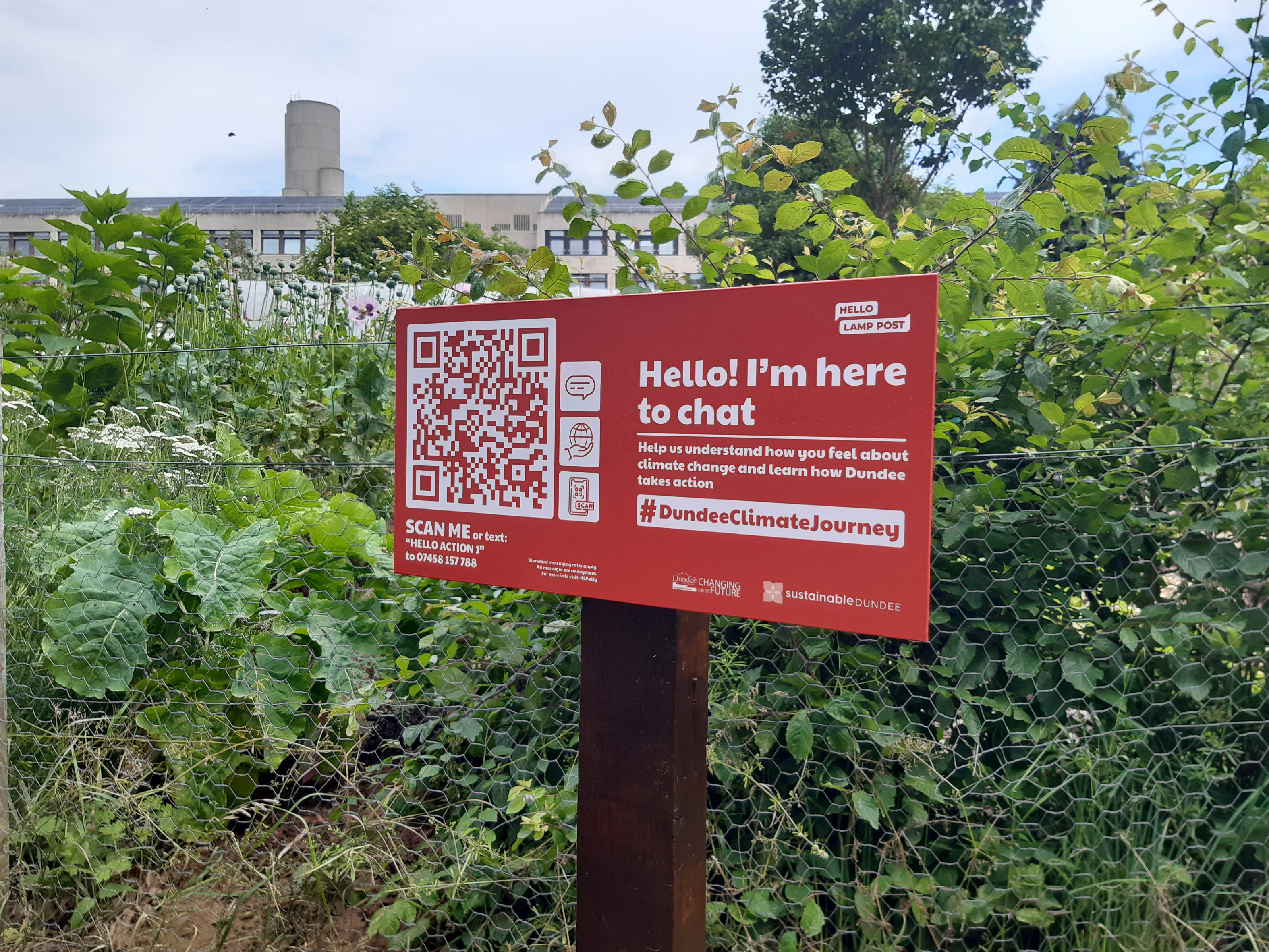

As the use of AI chatbots and digital assistants continues to accelerate across all industries, usage within the public sector is no exception. However, there's a critical conversation that’s only just beginning to catch up and this concerns the environmental cost of AI large language models (LLMs) that are used to power them. These powerful tools are revolutionising digital engagement, but their carbon footprint raises serious concerns, particularly for public sector organisations, that are increasingly being held accountable for their sustainability commitments.
In this post, we’ll explore the environmental challenges of AI chatbots and explain how the team at Hello Lamp Post (HLP) are taking a radically different approach to minimise carbon impact, while still delivering effective, ethical and sustainable place-based digital engagement.
The Environmental Problem with AI chatbots
AI doesn’t just "exist in the cloud" in some harmless, eco-friendly vacuum. Every chatbot or digital assistant interaction, every API call to an LLM, and every moment of model training or fine-tuning demands immense computational power and that power draws energy. A 2023 study from the University of Massachusetts Amherst famously estimated that training a single large AI model can emit as much carbon as five cars over their lifetimes.
Some of the biggest sustainability concerns linked to LLM-based chatbots and digital assistants include:
- Heavy energy demand: LLMs (like OpenAI’sGPT-4) are incredibly resource-intensive, consuming vast amounts of electricity both during training and inference (i.e., while being used).
- Dirty data centres: Many AI models are hosted on cloud platforms powered by non-renewable energy, exacerbating carbon emissions. While this is slowly changing, the industry has a long way to go.
- Global data travel: Centralised hosting means that user queries may be routed across continents consuming more bandwidth and increasing emissions.
- Overuse of AI for everything: Many platforms default to AI for all interactions, even simple ones that could be handled with scripted logic. This "AI maximalism" leads to avoidable environmental impact.
- Lack of transparency: Users and organisations often have no visibility into where models are run or how much energy is consumed. Do you know what you’re using now?
For government and public sector bodies tasked with achieving net zero targets and promoting climate resilience these issues are far from academic. Digital services must meet not only functional and ethical standards but increasingly strict environmental ones too.
.jpg)
Hello Lamp Post’s more sustainable approach
At Hello Lamp Post, we believe public engagement shouldn’t come at the planet’s expense.
That’s why sustainability is built into the very fabric of our service:
- Powered by renewable energy: All of our “compute” runs on Cloudflare, a provider that powers its global network entirely with renewable energy. Even our background processes, such as analytics and user message processing, are hosted through Cloudflare’s Green Compute initiative ensuring 100% clean power.
- Minimal AI usage: We deliberately minimise reliance on AI. Most of our conversations are handled through algorithmic logic, not LLMs. This drastically reduces compute time and energy consumption and also gives you greater control of the conversations.
- Smart AI integration: When we do use AI, it’s sparingly and strategically. We’ve developed a method that means AI models only receive the relevant snippet of content instead of providing large corpuses of data. This significantly reduces our AI usage by orders of magnitude once fully launched.
- Use of smaller, more efficient models: We use a number of different LLM's, best suited to the task we need that use smaller and more energy-efficient models. We’re also using alternative models as part of our hybrid AI landscape like Mistral, a French AI provider with closer proximity to our European operations—further reducing transmission costs and carbon.
- Local hosting, global efficiency: We host our apps and databases near our users. Whether you're in Australia, USA, Canada or the UK, data is processed locally. This reduces latency and avoids unnecessary long-distance data transfers, which can significantly cut energy use.
- Ethical AI adoption: Whenever possible we don’t use industry giants like Google Cloud or AWS (except for DBs), and we avoid energy-intensive models unless absolutely necessary. Our goal is not just to use AI, but to use it responsibly and only where appropriate.
Why it matters
Organisations are under increasing pressure to lead by example on sustainability. From net-zero commitments to climate strategy plans all organisations and especially the public sector should now factor environmental impact into their procurement and digital service choices. This means suppliers who are thoughtful about their infrastructure and transparent about their energy usage will be better positioned to support organisations in meeting their environmental goals.
Key questions every organisation should ask their digital partners:
- Where is your cloud computer hosted, and is it powered by renewable energy?
- Do you use local hosting to minimise data transfer emissions?
- How often and how heavily do you rely on AI models and are there alternatives?
Are you actively researching and pivoting toward more sustainable AI models?
.png)
Conclusion: Tech with a conscience
The digital tools we use shape more than our user experience; they also shape our environmental footprint. As AI becomes more deeply embedded into public life, choosing sustainable options is no longer a "nice to have" but a necessity because sustainability doesn’t stop at recycling bins and LED lights, it extends all the way into the cloud.
Hello Lamp Post is proud to be at the forefront of low-carbon digital engagement. For organisations committed to climate leadership, the decision should be clear. Work with suppliers who match your values, reduce your carbon footprint, minimise environmental impact and think ethically about AI and its impact on the planet.
Let’s build smarter, greener communities together.


-p-800.png)