

Organisations dealing with environmental or climate change issues have an increasingly difficult job. They need to provide people with timely information about the places where they live and visit, help communities understand environmental risks, gather local knowledge, encourage people to take action and involve residents in decisions that affect them.
At the same time, their teams cannot be everywhere. They cannot be available to every resident, business or visitor, in every location, 24 hours a day, seven days a week. And traditional engagement doesn't always reach the people organisations most need to hear from. This is where AI and specifically Digital Team Members can play a different kind of role.
Rather than simply providing another website or chatbot, a Digital Team Member extends the reach of an environmental team, providing information, having conversations, collecting feedback and helping people take action wherever and whenever they need it.
Reaching People Where They Are
For more than 20 years, I have worked with central and local government on digital engagement and communications. One of the challenges that consistently emerges is that traditional engagement can be difficult to scale. It can also be difficult to reach audiences beyond the people who routinely engage with councils, government websites and formal consultation processes.
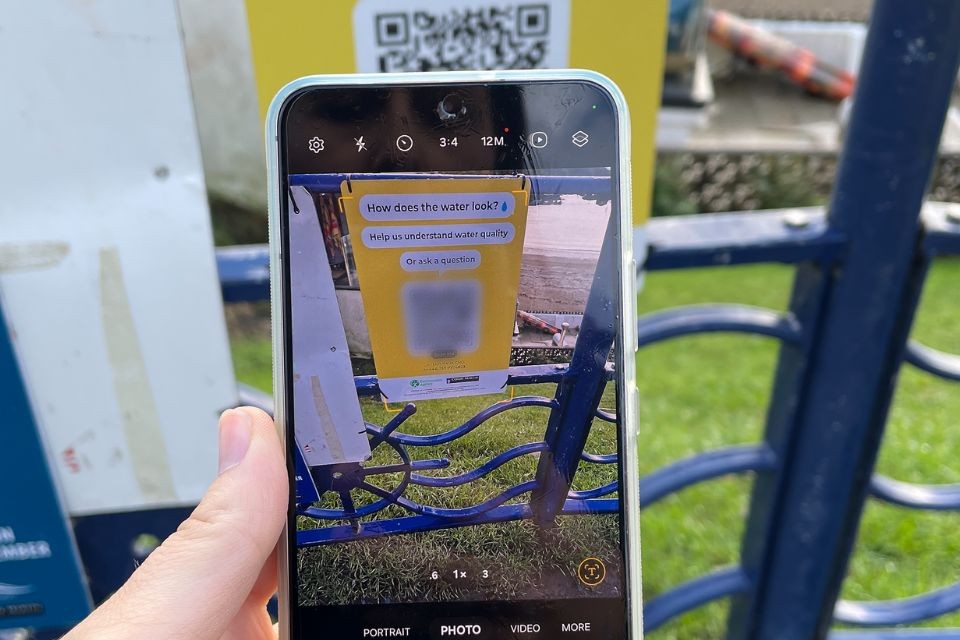
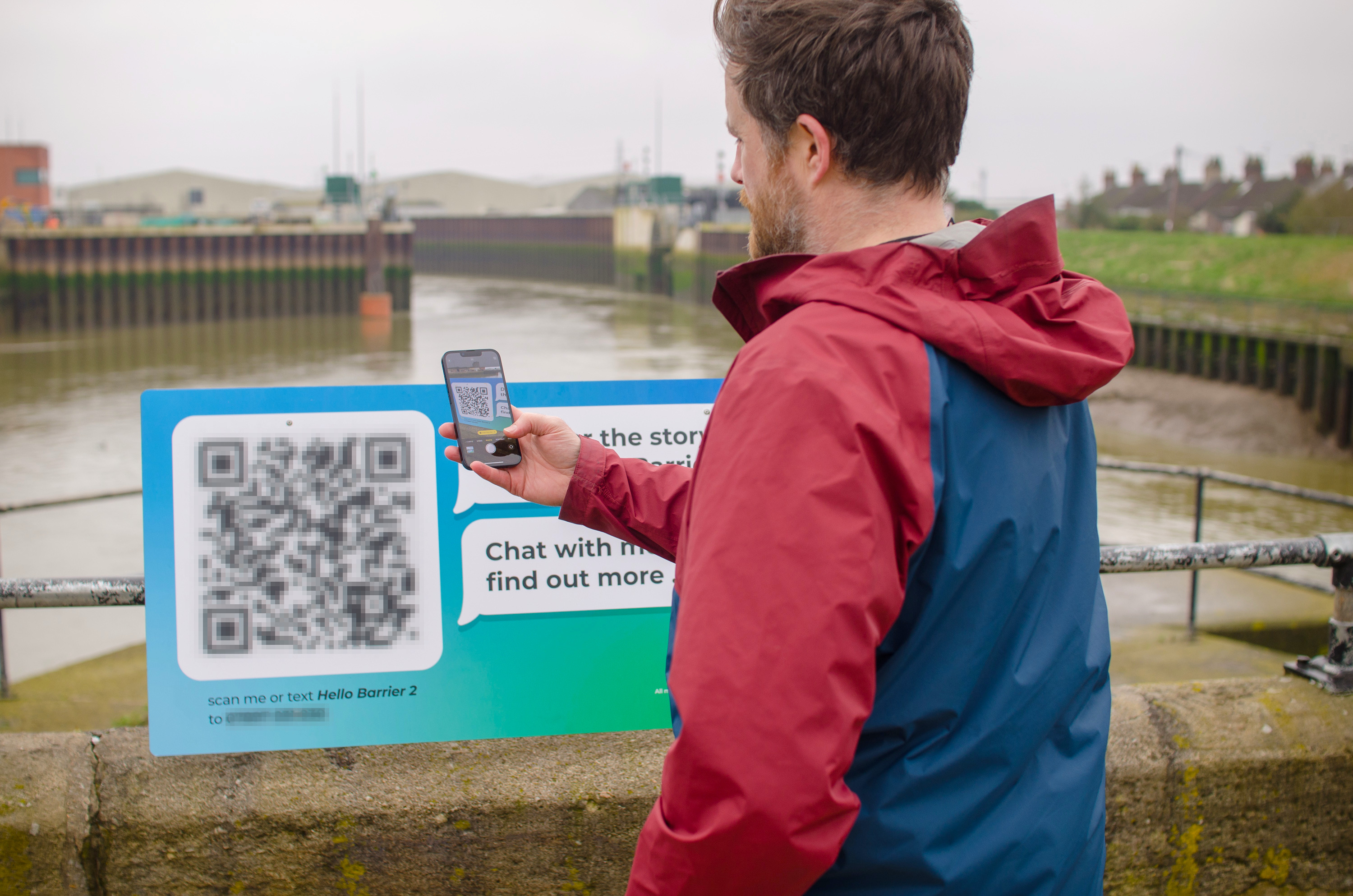
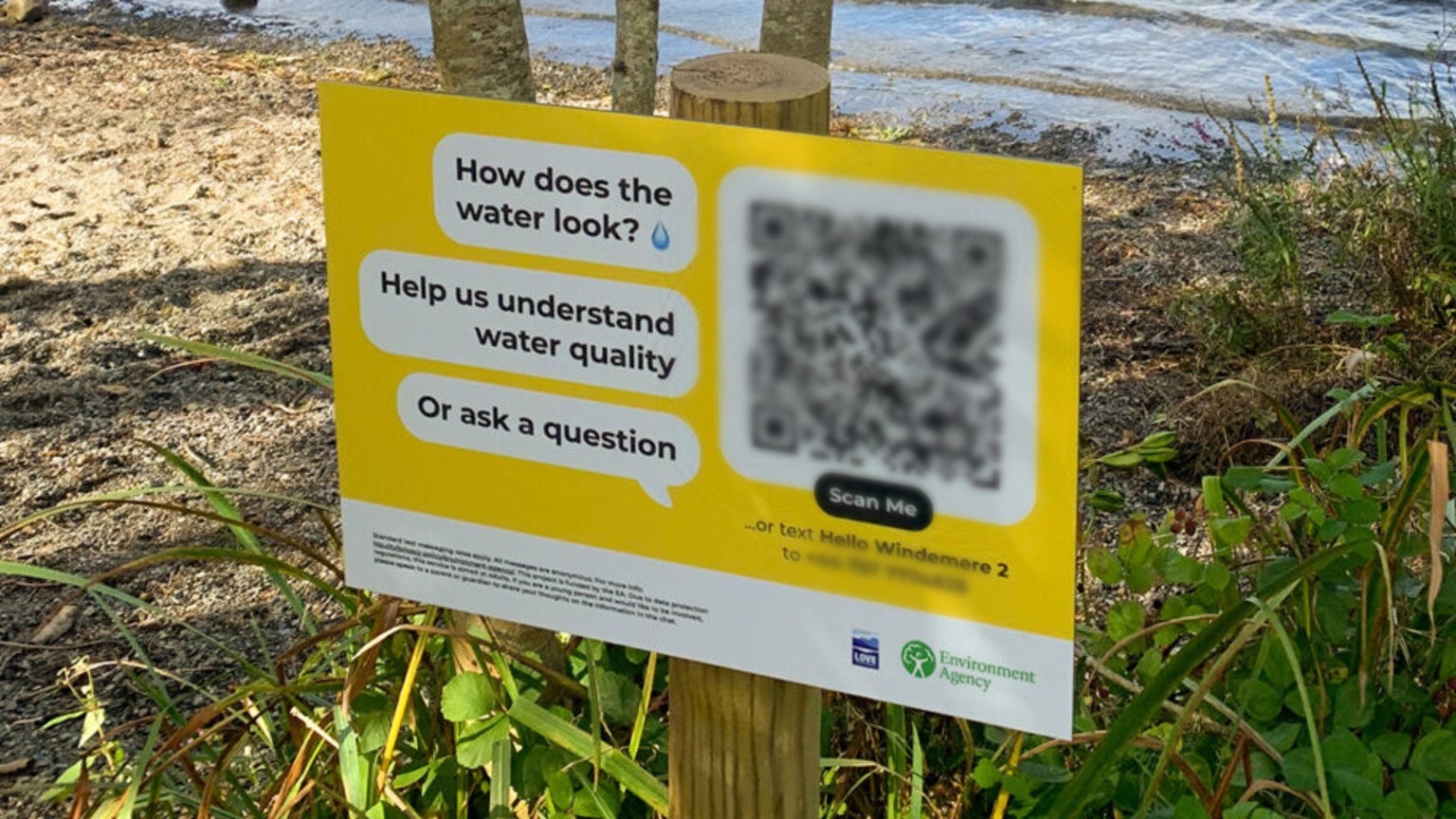
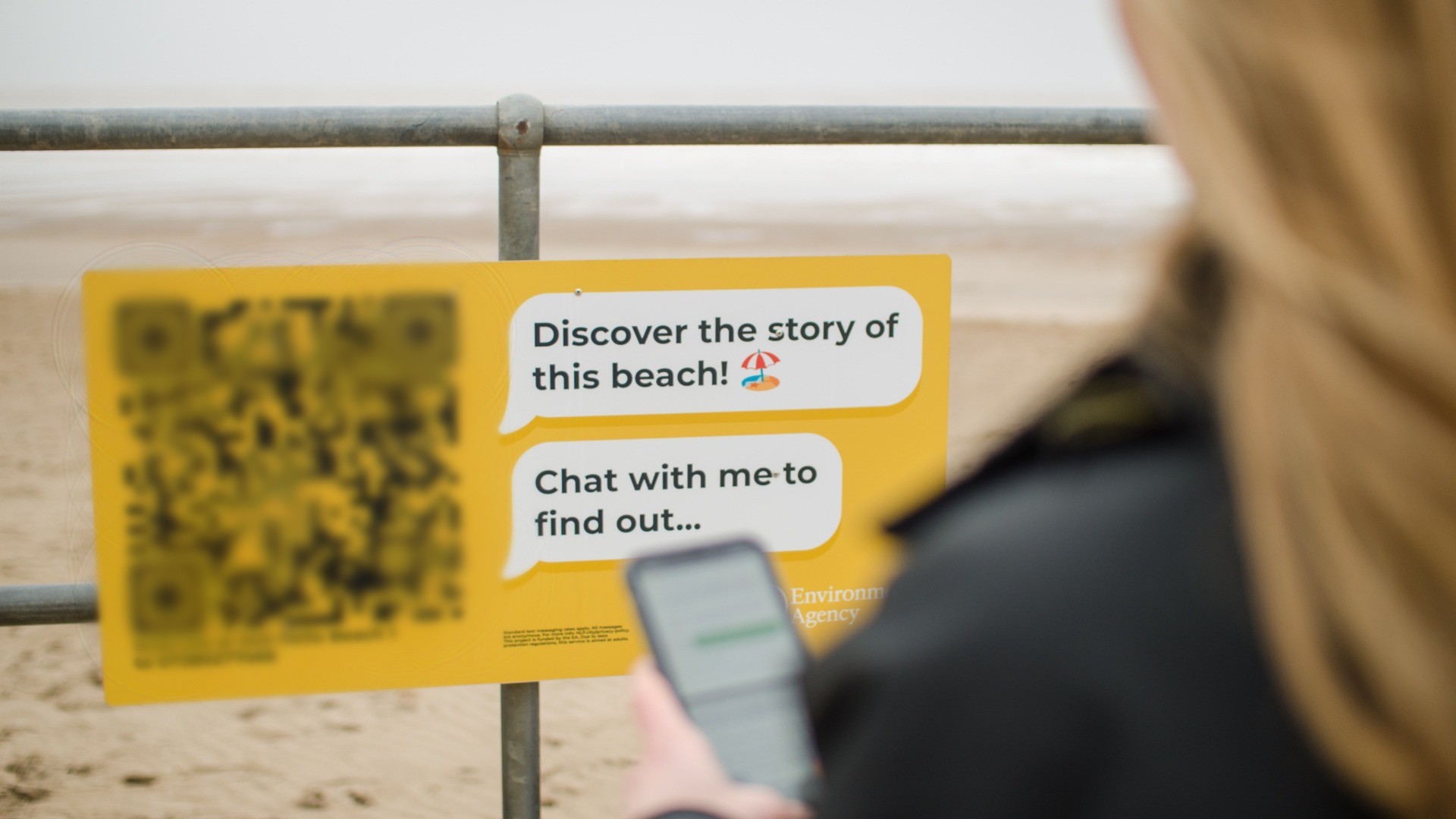
A Digital Team Member provides another way to engage. With Hello Environment, conversations can be accessed from physical locations using signage and QR codes, as well as through SMS, WhatsApp, websites, social media and links included in printed communications. That means the engagement opportunity can be placed where people are actually using and enjoying an environment.
A sign beside a beach can start a conversation about coastal flood risk. A location beside a river can provide information about the watercourse and encourage people to report issues. A nature trail can introduce visitors to local species and conservation work. The information can be tailored to the specific location and the people using it.
More than a Chatbot
It can be tempting to describe this technology as a chatbot, but that doesn't really capture what a Digital Team Member can do. A chatbot typically answers questions but a Digital Team Member can do much, much more.
It can inform people about their surroundings and the issues affecting them. It can test understanding by asking questions and providing feedback. It can collect information from the community, including photographs and environmental reports. And it can help people take action, whether that's signing up for flood warnings, preparing for an emergency or reporting an environmental issue. It also provides this support around the clock. This doesn't mean replacing the human team, instead, it gives that team an additional way to be there for people when staff aren't available.
%20(1).jpg)
Helping People Understand Environmental Risks
One of the most interesting applications is using conversations to understand what people actually know about an environmental issue. For example, a Digital Team Member can ask people questions about coastal flood risk, emergency preparedness or changes to their local environment. If someone gets an answer wrong, the system can explain the correct answer and provide more information.
Questions can also be tailored to the location. A conversation beside a river doesn't need to be the same as one on a beach. A nature trail can focus on local wildlife, while a coastal location might focus on sea-level rise, flood risk or coastal management. Understanding location and context creates an engaging and relevant two-way engagement process.
The organisation isn't simply broadcasting information, it also gains an understanding of whether people have understood and acted upon the messages it is trying to communicate. That can help identify where further engagement may be needed and where more traditional face-to-face activity could add value.
Turning Communities into a Source of Environmental Intelligence
Two-way digital engagement can also work in the opposite direction. Instead of simply giving information to people, it enables people to provide information back to the organisation. For example, communities can be encouraged to report flooding, record environmental conditions or submit photographs from specific locations. This can be particularly useful where an organisation needs information from multiple locations over time.
The same approach can be used for reporting environmental issues, gathering local feedback or supporting biodiversity and citizen science projects. The result is a more continuous flow of information from the community, rather than relying entirely on staff visiting locations to collect it.
Bringing Environmental Information Together
A Digital Team Member can also bring together information from different sources to make conversations more useful and relevant. Hello Environment uses location and geospatial data to understand where someone is and identify the environmental features, risks and issues around them.
It can then draw on relevant information such as weather conditions and warnings, tidal information, bathing water quality and pollution data. Instead of providing generic answers, the Digital Team Member can use this context to help people understand what is happening in the place they are actually in.
That combination of location, context and live information makes the conversation more relevant while giving environmental teams another way to connect people with the information they need, when they need it.
A Real-World Example: Lincolnshire Coast
Hello Environment was developed in conjunction with the Environment Agency, and the Lincolnshire Coast provides a good example of how the approach can work in practice.
The system is deployed along a 36-kilometre stretch of coastline, providing location-specific information and allowing people to have conversations about the environment around them. Visitors can ask questions, learn more about the coast, take quizzes, access information about issues including coastal management, flood risk, wildlife and ecology. Meanwhile the Digital Team Member also signposts people to relevant flood alerts and warnings and provide additional information through the conversation.
A recent enhancement to the deployment has been used to encourage members of the public to record what they see along the coastline by taking and submitting photos from different viewpoints. These photographs and observations are helping the Environment Agency build a picture of how locations change through different seasons and tidal conditions in a way they have never been able to do before.
The scale of engagement demonstrates the potential of the approach. The project has generated more than 63,000 interactions, around 20,000 conversations and nearly 17,000 users.
Perhaps just as importantly, 34% of interactions take place outside normal working hours. Those are conversations that would be difficult for a conventional engagement team to support. The Digital Team Member provides another layer of access, allowing people to find information and engage with the project when it is convenient for them.
Supporting Environmental Engagement Across Different Projects
The same underlying approach has been applied to a wide range of environmental challenges. Hello Environment is already being used or developed for projects involving:
- Coastal flood risk and coastal management
- Emergency preparedness
- Flood reporting
- Bathing water quality
- Beach and water safety
- Biodiversity and nature trails
- Invasive species reporting
- Community engagement and consultation
- Planning and funding information
- Capital and construction projects
Extending the Reach of Environmental Teams
The opportunity isn't to replace existing engagement. It's to extend it.
Face-to-face engagement, websites, consultations and community meetings will remain important. But Digital Team Members add something different: a way for environmental teams to be available at the point of need, wherever people are and whenever they choose to engage.
Your team can't be everywhere. An AI Digital Team Member can help it get a lot closer.


-p-800.png)